What is a Kiwifruit?
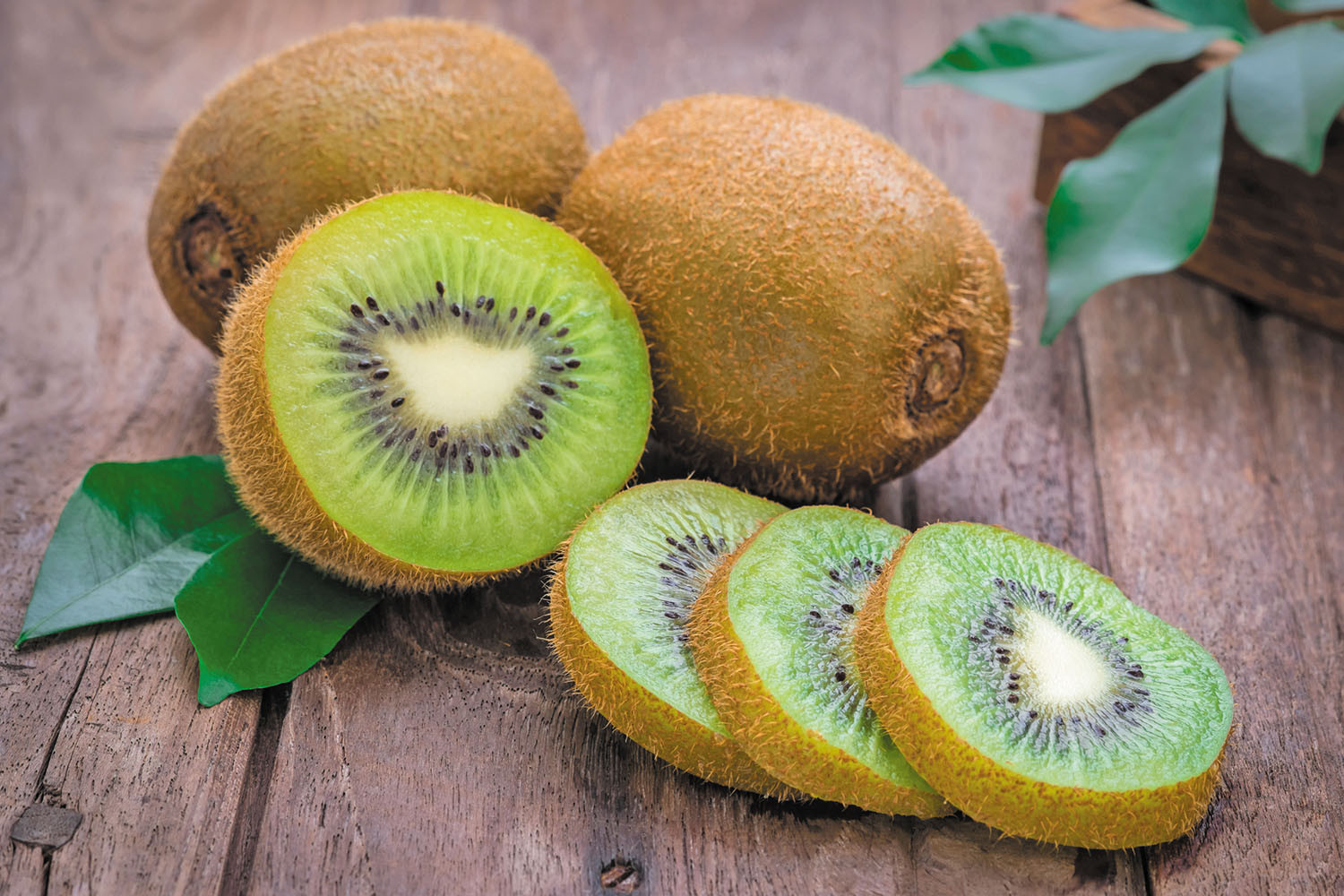
Kiwi fruits are small, sized plums with a soft, brown skin and bright green flesh. They also have small black seeds. The golden-fleshed fruits are also widely available, but are less popular. Botanically, the kiwi fruit can be classified as a berry.
They are made by vines that are woody, belonging to several species of Actinidia. In most cases, only the flesh is consumed; the skin is edible and growing in popularity, as it’s believed to provide an energy boost.
The Nutritional Profile of the Kiwi Fruit (peeled)
One medium kiwi fruit (80g) provides:
- 39kcal/166kJ
- 0.9g protein
- 0.4g fat
- 8.5g carbohydrate
- 8.2g sugars
- 2.0g fibre
- 232mg potassium
- 47mg vitamin C
A serving of 80g counts as one of your five-a-days Learn more about what makes up your daily five-a-day in our easy guide.
Do you have to eat the Skin of a Kiwi?
The fuzziness and thickness of the skin of kiwi may make it look unappetizing; however,r it’s actually quite healthy for you. It is rich in fiber, er which is crucial for a healthy digestion, and the skin is particularly high in vitamin C as well as E. As with many other fruits, the skin and underneath it are where the bulkof antioxidant vitamins can be found.
These nutrients shield tissues and cells of our bodies from harm caused by an oxidation process. A fascinating study that looked at the nutritional benefits of SunGold Kiwi fruits found that eating the entire fruit, including the skin, increased intake of fiber,e folate, vitamin E, and levels by 50, 33, 32, and 34%, respectively.
Top 11 Health Benefits
1. High in Antioxidants that Protect Against Damage.
Kiwi fruits are high in phytochemicals and nutrients,s which are antioxidants that help to reduce the effects of oxidative damage, and, as a result, may reduce the risk of diseases such as heart disease, type 2 diabetes, and obesity.
2. A good source of Fibre
Kiwi fruit is rich in both insoluble and soluble fiber, with a single kiwi fruit offering around 2.0g per serving of about 80g. The importance of diet-related fibre is that it does more than aid digestion and improve gut health, but also helps control cholesterol and blood sugar levels. It also keeps us fuller and reduces the chance of developing heart stroke, coronary heart disease, Type 2 diabetes, stroke,e and certain types of cancers.
3. Can help boost the Immune System.
Kiwi fruit is extremely high in nutrients that support the immune system, including vitamins C, E, K, and folate, as well as carotenoids and fibre, and many chemical compounds found in plants. So it’s not a surprise that research indicates that they boost the immune system and may lower the severity and frequency of flu and cold symptoms in vulnerable populations like seniors and kids.
4. It may help alleviate the Symptoms of asthma.
Due to their high content of vitamin C and the additional antioxidants that kiwi provide,s regular consumption can help relieve certain symptoms of asthma.
5. Might help maintain Healthy Blood Pressure
Including kiwi in the mix of a balanced and healthy diet could benefit the cardiovascular system as well as the heart. This is because kiwi may help to manage blood pressure, thanks in part to a reduction in angiotensin-converting enzyme combined with the contribution of potassium, which helps ease tension in blood vessels and counteracts the effects of sodium.
6. Could help Improve Cholesterol Balance
Kiwi fruit consumption is linked with beneficial effects on blood cholesterol levels, particularly for those who have high cholesterol. Research suggests that consuming 2kiwisi every day could increase HDL-cholesterolalsohe known as “good” cholesterol. and may also reduce the amount of triglycerides as well as LDL-cholesterol (the “bad” cholesterol). Kiwi fruit could also increase the ratio of HDL-cholesterol to total ccholesterolrol which is a different indicator of heart health.
7. May aid Protein Digestion
The kiwi fruit contains an enzyme called actinidin that aids in the breakdown of proteins and helps us to more efficiently digest protein-rich food items, such as fish and meat. This is what makes kiwi fruit a fantastic ingredient in recipes in which you’re looking to tenderize the meat.
8. Could Promote Restful Sleep
If you’re having trouble getting an uninterrupted night’s sleep, having a few kiwi fruits an hour before you fall asleep could be the solution. A study has found that consuming kiwi can help enhance sleep onset, duration, and quality in people who self-report sleep disorders.
9. May support eye Health
As we age, it’s common that our vision deteriorates;s however, there are a few important nutrients that could aid in protecting and sustaining the health of our eyes. Particularly important are zeaxanthin and lutein – these carotenoids are essential for the prevention of cataracts and macular degeneration. Kiwi fruit is an excellent source of both carotenoids.
10. Can help relieve Constipation
It is believed that this particular combination, which combines insoluble and soluble fiber, phytochemicals that protect, and the enzyme actinidin are particularly effective in relieving digestive discomfort. This unique combination provides digestive benefits, including improvements in digestive transit as well as a reduction in bloating, especially for those with constipation-predominant irritable bowel syndrome (IBS), as well as healthy individuals with constipation.
Kiwi fruit is also certified to be a low FODMAP food, due titsir relatively low levels of fructose and fructans. This is why they are suitable for people adhering to an extremely moderate FODMAP diet.
11. The Glycaemic Index (GI)
Fruits with green flesh have a glycaemic level of 39. Yellow-fleshed fruit is slightly more at 48. They fall into an extremely low GI class (<55). This, in conjunction with their low amounts of carbohydrates, makes the fruit a great choice for those suffering from blood sugar issues as well as those who are following a ketogenic diet.
Are Kiwi Fruits Safe for Anyone?
Kiwi fruits are a source of allergy, and even though symptoms for the majority of people are not severe, serious reactions have been observed. If you’re allergic to hazelnuts, avocados, figs, pollen, latex, or other foods, ds there is a chance that you will encounter a cross-reaction with the kiwi fruit.
If you’re taking anticoagulants or blood pressure medication, ion be aware that eating the kiwi fruit regularly in your diet could increase the effects of these medications.
Overall, are Kiwi Fruits Healthy for you?
The fruit kiwi has numerous health benefitwhether if you eat the skin or not! From promoting an active heart to strengthening the immune system to fight off flu, colds, and other ailments, and even helping you sleep better at night. sleeping.
In addition to containing fibre for digestion, they are also a source of an enzyme called actinidin that can assist in digesting protein-rich foods like meat. They can be an allergen-inducing fruit, so take note of any other allergies.