
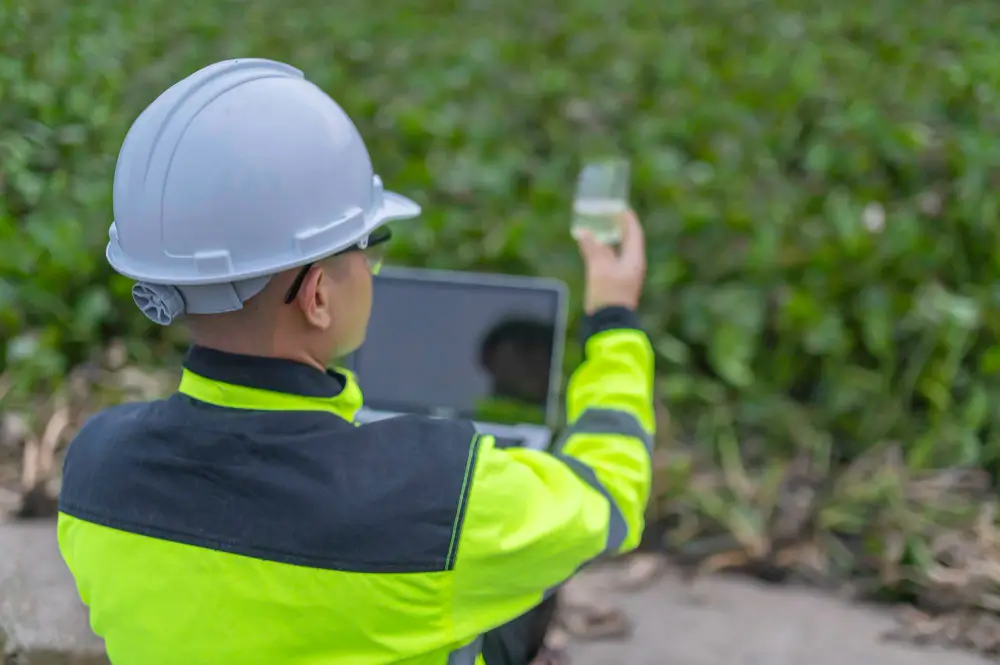
Environmental monitoring means checking air, water, soil, and living systems to understand what happens in the natural world. This process uses tools, sensors, and regular observations to collect clear data over time. Governments, businesses, and communities rely on this data to make smart choices.
Environmental monitoring helps people see problems early and understand how human actions affect nature. It also supports planning, safety, and long-term growth. By watching changes in the environment, society gains the knowledge needed to protect health, resources, and future generations.
Environmental Monitoring Protects Human Health
Environmental monitoring plays a strong role in protecting human health. It tracks air pollution, water quality, and chemical levels that can harm people. When monitoring systems detect harmful substances, authorities can act quickly and reduce exposure.
Clean air and safe water lower the risk of breathing problems, skin diseases, and other illnesses. Monitoring also helps identify pollution sources and control them before they spread. By providing clear and timely data, environmental monitoring supports healthier living spaces for cities, towns, and rural areas.
Environmental Monitoring Preserves Natural Resources
Natural resources like water, forests, and soil support life and economic growth. Environmental monitoring helps protect these resources by showing how they change over time. It measures water levels, soil quality, and forest health to prevent overuse and damage. When data shows stress on a resource, managers can adjust usage and restore balance.
This approach reduces waste and supports sustainable use. By guiding responsible actions, environmental monitoring ensures that natural resources remain available for present needs and future generations.
Environmental Monitoring Supports Climate Change Action
Climate change affects weather, sea levels, and ecosystems around the world. Environmental monitoring provides the data needed to understand these changes clearly. It tracks temperature, rainfall, ice melt, and carbon levels in the atmosphere. This information helps scientists study trends and predict future impacts.
Policymakers use this data to plan climate actions and reduce risks. By offering reliable evidence, environmental monitoring supports strong responses to climate change and helps communities prepare for extreme conditions.
Environmental Monitoring Protects Wildlife and Ecosystems
Healthy ecosystems support plants, animals, and people. Environmental monitoring helps protect wildlife by tracking habitat conditions and population changes. It identifies threats like pollution, habitat loss, and invasive species. When monitoring reveals problems, conservation efforts can start early and stay effective.
This process helps maintain balance in nature and protects biodiversity. Strong ecosystems provide clean water, fertile soil, and natural protection from disasters. Environmental monitoring plays a key role in keeping these systems stable and resilient.
Environmental Monitoring Supports Laws and Better Decisions
Environmental laws need accurate data to work well. Environmental monitoring provides clear evidence to enforce regulations and measure progress. It helps authorities check compliance and improve standards. Businesses also use monitoring data to reduce risks and improve operations.
Communities benefit from transparent information that builds trust and awareness. With reliable data, leaders make better decisions that balance growth and protection. Environmental monitoring strengthens accountability and supports smart planning across many sectors.
Conclusion
Environmental monitoring stands as a vital tool for a safer and healthier world. It protects human health, preserves resources, supports climate action, safeguards ecosystems, and improves decision-making. By delivering accurate and timely data, it helps society respond to challenges with confidence.
Environmental monitoring encourages responsible behavior and long-term thinking. As environmental pressures grow, the value of monitoring continues to rise. Strong monitoring systems support sustainable development and help protect the planet for generations to come.